
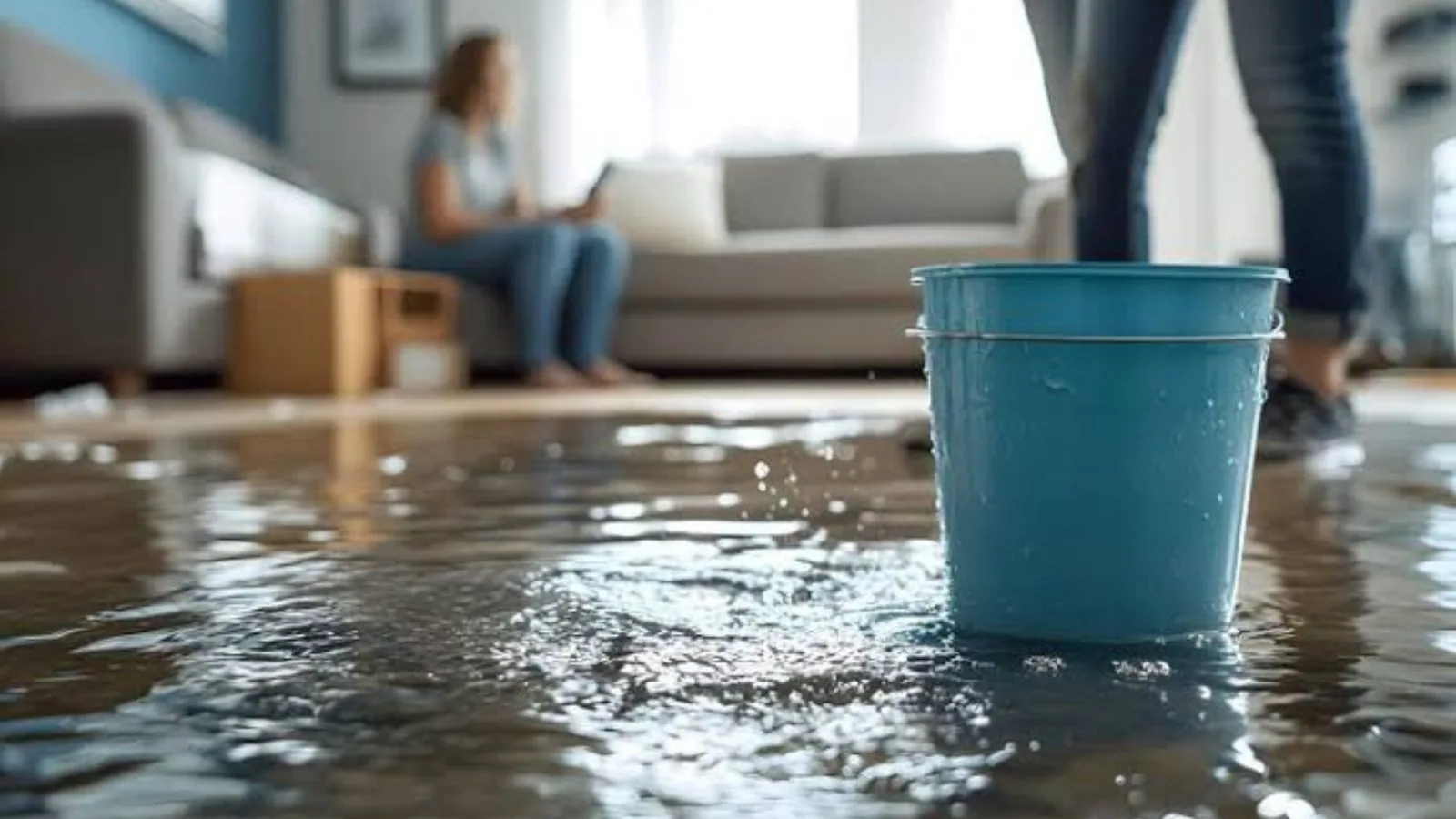
When standing water is an emergency
Water that sits does more harm every hour. It wicks up drywall, swells baseboards and flooring, and carries whatever was on the floor into every porous material it touches. Standing water that came from a clean supply line is the best case. Water that came from a drain, a toilet bowl or the ground outside can carry bacteria from the first minute.
Call right away when the water is deeper than a thin film, when it is spreading into a second room, or when it has reached an outlet, a baseboard heater or an appliance. A shallow spill you can mop in ten minutes is different from a half inch across a finished floor. The second one needs extraction equipment.
The professional standard for this work is ANSI/IICRC S500, which sorts water into three categories by contamination and sets how each is removed, so the dispatcher asks where the water came from.
How the water actually comes out
The tool depends on how much water there is and what it is sitting on.
Submersible pumps
For water deeper than an inch or two, a pump moves it to a floor drain or outside. It clears a flooded basement or a laundry room much faster than a vacuum.
Portable and truck-mounted extractors
These vacuum water out of carpet and pad and off hard floors. Truck-mounted units have stronger suction and a larger recovery tank for big losses.
Weighted extraction wands
A weighted wand presses the carpet while it vacuums, which pulls more water out of the pad than a plain pass would.
Wet-dry vacuums for small areas
Under a sink, in a closet or along one wall, a smaller unit is the right size. The goal is the same, which is to leave less water behind for the drying stage.
What a typical extraction visit looks like
The order is simple, and each step feeds the next.
Check safety
The crew looks for live electrical hazards and finds where the water came from before any equipment goes in.
Pull the water
Pumps and extractors remove standing water, working from the low point outward.
Map what is wet
Moisture meters and a thermal camera show water that is hiding in walls and under flooring.
Set up drying
Air movers and dehumidifiers go in so the structure dries, as covered on the structural drying page.
Water and electricity
If water is near outlets, a panel, a space heater or an extension cord, treat it as live. Do not stand in the water to reach a breaker.
- Cut power at the panel only if you can reach it while standing on dry ground.
- Call the utility or 911 for any sparking, buzzing or burning smell before you call a restoration crew.
- Keep children and pets out of the water, because you cannot tell by looking whether it is clean.
Water still coming in?
Tell the dispatcher how deep it is and where it started. The line runs 24/7.
What this page covers and what it does not
This page is about water inside a home or business, such as a flooded laundry room, a kitchen after a pipe failure or a basement that took on water. Pumping a backyard, a driveway or a swimming pool is a different kind of job and is not something this service does.
If the water is rising from rain outside, read the flood damage cleanup page, which covers surface and groundwater flooding. For a flooded below-grade room, the basement page goes into sump pump failure and seepage.
What changes the cost of an extraction job
No two jobs run the same, so the final figure comes after someone has seen the space.
| Cost factor | How it changes the job |
|---|---|
| Water category | Clean supply water, gray water and sewage need different safety steps and disposal. |
| Depth and area | More water and more square footage mean more pump time and more recovery passes. |
| What the water sits on | Carpet and pad hold far more than tile, so extraction takes longer on soft floors. |
| Access | Stairs, tight basements and finished rooms change how equipment gets in. |
| Drying that follows | Extraction is the first step, and drying days and equipment are priced with it. |
Coverage depends on the cause of the water and on your policy, so ask your insurer before assuming either way. Want your real number? Call the 24/7 line and describe the space.
Extraction calls around Windsor Mill
Calls come from the Rolling Road and Windsor Mill Road corridors, from townhome streets off Liberty Road and from older single family blocks in Rockdale and Hebbville. The same line serves Woodlawn, Randallstown, Pikesville, Catonsville and Ellicott City.
Baltimore City supplies water in Baltimore County, so a failed water main at the street is a utility matter while a failed pipe inside the wall is yours. Knowing which side of the meter the leak is on tells you whether to call the utility or the plumber, and you can still call here to get the water out.
Water Extraction Questions
Do you handle water extraction emergencies at night or on weekends in Windsor Mill?
Yes. The dispatch line is answered 24 hours a day, including weekends and holidays. Describe the water and the source, and the dispatcher sets up the visit.
What is the difference between extraction and drying?
Extraction removes liquid water with pumps and vacuums. Drying removes the moisture left inside materials using air movers and dehumidifiers. Extraction comes first, and skipping the second step leaves wet framing behind.
Can you get water out of carpet without pulling it up?
Often yes, if the water is clean and the carpet was not wet for long. The pad usually has to come out, and the carpet page explains when carpet itself can be saved.
How do I know if the water is clean?
You cannot tell by looking. Water from a supply line starts clean, while water from a toilet, a drain or outside ground should be treated as contaminated until proven otherwise.
Do you pump out yards or pools?
No. This service is for water inside buildings. Yard drainage and pool pumping are separate trades.