
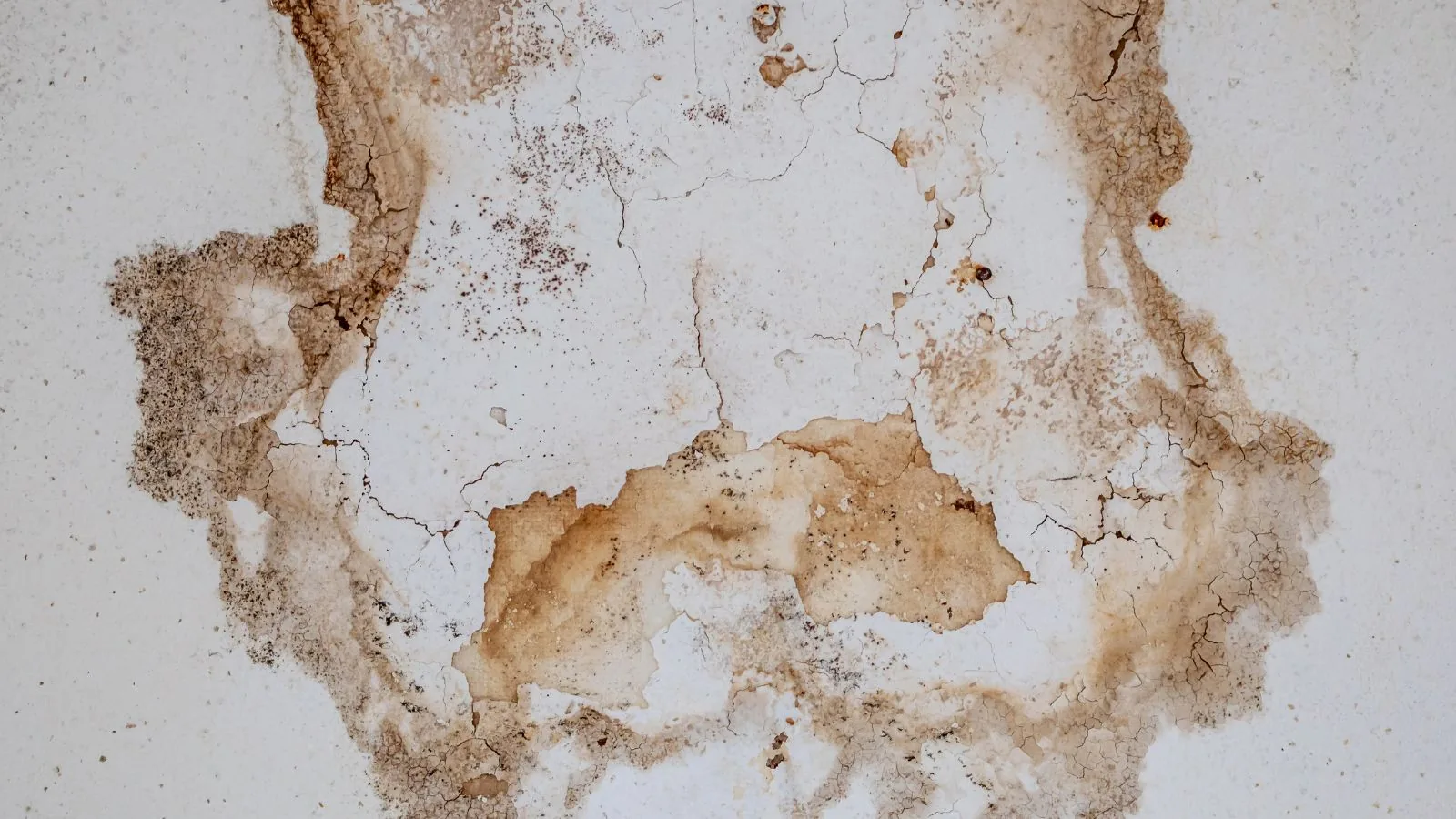
What a storm water emergency looks like
Wind-driven rain gets in through places that stay dry in a normal rain. It finds a gap in flashing, a loose shingle, a window seal that has shrunk and a door sill with no threshold seal. A tree limb can open a roof in seconds, and then the whole attic fills with water.
Once the storm passes, the damage often continues. Wet insulation and ceilings hold water and can drop hours later, and wet walls take weeks to dry without equipment.
ANSI/IICRC S500 treats rain that entered through a roof as different from flood water from outside, and the categories shape what can be saved.
Where storm water gets in
Check each of these after a storm.
Roof and attic
Missing shingles, damaged flashing and clogged gutters let water into the attic and through the ceiling. See ceiling damage.
Windows and doors
Wind pushes rain through worn seals and under door thresholds, wetting the wall and the floor.
Foundation and window wells
Heavy rain fills window wells and presses on basement walls. See basement water.
Drainage and grading
Downspouts that dump at the foundation and low spots by the house send water toward the walls.
Stay safe after a storm
Check for danger before you check for damage.
- Stay away from downed power lines and call the utility and 911.
- Do not walk through standing water if it could be near live outlets or a panel.
- Use a tarp or plastic only where you can reach safely and not from a wet roof.
- Photograph every damaged area and the outside of the house before cleanup.
Storm water inside?
Call the 24/7 line and tell the dispatcher where the water entered.
How storm cleanup runs
Cleanup starts with water removal and ends with drying.
Make safe
The crew checks hazards and marks the wet areas.
Remove water
Standing water is extracted from floors and ceilings are relieved.
Remove what cannot be saved
Soaked insulation, drywall and carpet come out.
Dry and document
Equipment dries the structure while photos and readings go into the file.
Storms, flooding and insurance
The Maryland Insurance Administration explains the difference between wind-driven rain through a damaged roof or window, which a homeowners policy often covers, and flood, which comes from rising water outside and needs a separate flood policy. Water that enters through an opening that a storm created is often treated as a covered loss, while water that seeps up through the foundation is not.
Because the cause matters so much, take dated photos of the roof, the window and the opening, and keep receipts for temporary repairs. For rising water outside, see the flood damage page.
What changes the cost of storm cleanup
Storm jobs vary by how long the water sat.
| Cost factor | How it changes the job |
|---|---|
| Point of entry | A roof leak reaches the attic and ceiling, while a window leak stays in one wall. |
| Rooms affected | More rooms mean more drying equipment. |
| Insulation and drywall | Wet insulation and board are removed. |
| Water category | Rain through the roof is cleaner than flood water from outside. |
| Roof repair | A roofer repairs the roof, and that is a separate bill. |
Want your real number? Call the 24/7 line and describe where the rain got in.
Storms around Windsor Mill
Storm calls come from Windsor Mill, Milford Mill, Woodlawn, Randallstown and Pikesville after heavy rain, and from nearby Catonsville and Ellicott City. Ellicott City sits in the Patapsco valley, which flooded badly in July 2016 and again in May 2018 according to USGS and National Weather Service reports.
Baltimore County also lists a flood-proofing grant and a floodplain mapping page on its website. A county 311 call or the BaltCoGo app can report storm-related problems on public property.
Storm Water Damage Questions
Do you handle storm water emergencies at night or on weekends in Windsor Mill?
Yes. The 24/7 line is answered during and after storms. Call even if the rain has not stopped.
Can you tarp my roof?
No. A roofer handles temporary tarping and repair. This service removes the water and dries the interior.
Is storm water damage covered by homeowners insurance?
Wind-driven rain through a storm-created opening is often covered. Rising flood water generally needs a separate flood policy. Read your policy.
The ceiling is wet but the roof looks fine. What now?
Water can travel from the entry point along rafters. A moisture check traces it back.
How long after the storm should I call?
As soon as you see water inside. Wet materials start to grow mold within a couple of days.