
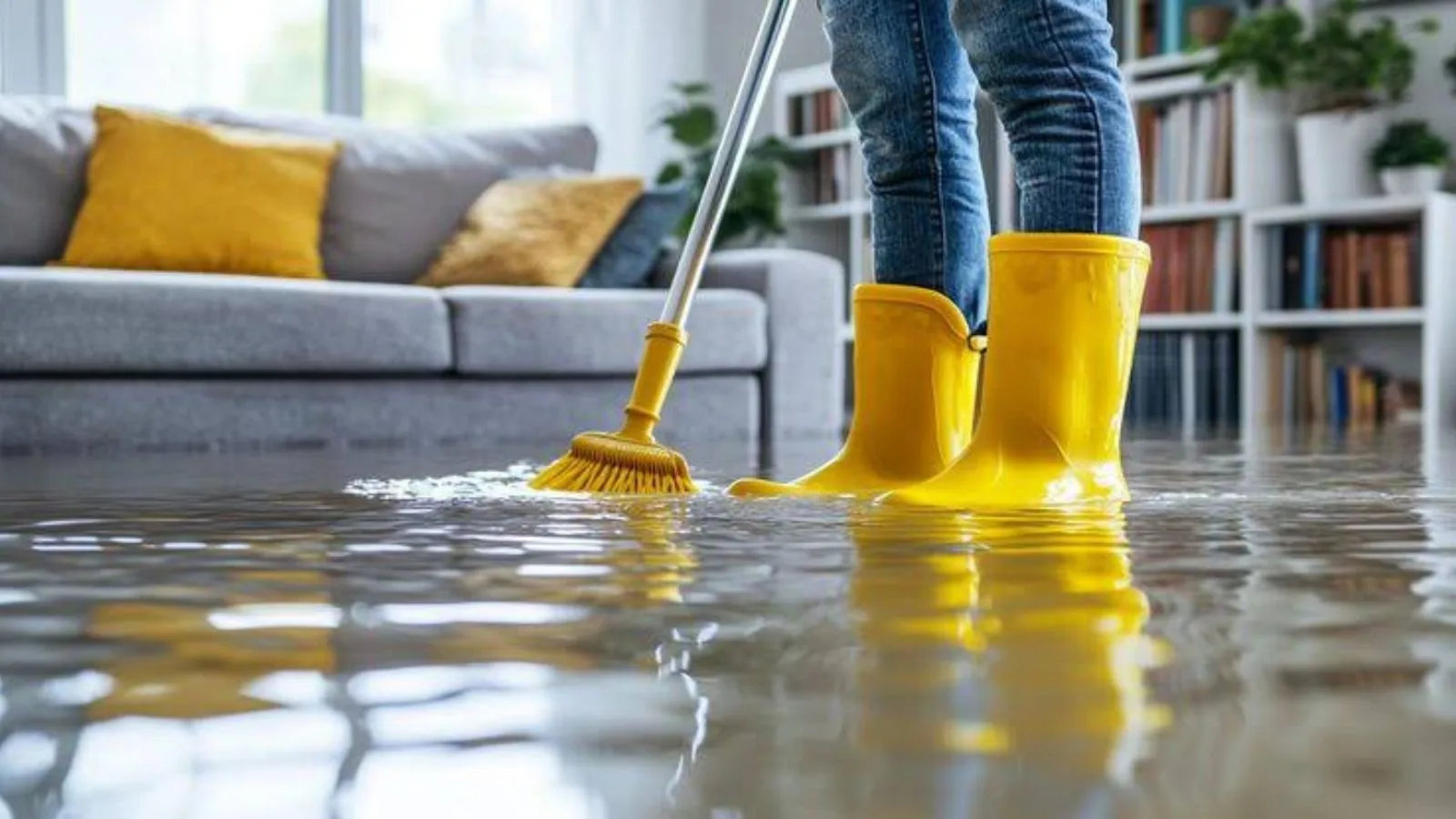
Why a bill jumps
Water use is measured at a meter, and you pay for everything that passes through it, including water that leaks. A toilet that runs can waste hundreds of gallons a day. A pinhole in a pipe under a slab or inside a wall can leak steadily for weeks.
Some jumps have ordinary causes: a visitor, a filled pool, summer lawn watering or a billing estimate. Check those first. If none apply, look for a leak.
A ten minute leak check
Do these in order.
Stop all use
Turn off every tap, the washer, the dishwasher and the ice maker.
Read the meter
Find the meter, often in a box near the street or in the basement, and note the dial or the leak indicator.
Wait and read again
Wait 30 minutes with no water use, then read again. Movement means water is going somewhere.
Narrow it down
Close the main valve and check the meter. If it stops moving, the leak is inside the house.
Easy checks for the usual suspects
Most leaks are simple.
- Toilet: add a few drops of food coloring to the tank and wait 15 minutes. Color in the bowl means a leaking flapper.
- Faucets and showerheads: look for drips and fix washers.
- Outdoor spigots and hoses: look for drips and wet soil.
- Water heater: check the base and the relief valve for moisture.
- Irrigation: look for soggy patches and running zones.
Fixing a flapper or a washer costs little compared with months of extra water use.
Found the leak and the damage?
Close the main and call the 24/7 line for pumping and drying.
Signs of a hidden leak
Warm spots on a floor, the sound of running water when everything is off, damp carpet, a musty smell, stains that appear on a wall or ceiling and cracks in a slab are all signs. A slab leak is a leak in a pipe in or under a concrete floor, and it is explained on the slab leak page.
If the meter moves with the main off inside the house, the leak may be in the line from the meter to the house. That part is usually the owner's responsibility.
What each result usually means
Who to call next.
| Result | Next step |
|---|---|
| Meter stops when the main is off, but moves when it is on | Leak is inside the house. Call a plumber and check fixtures. |
| Meter moves even with the main off inside | Leak is in the service line outside. Call a plumber. |
| Toilet dye test shows color | Replace the flapper or fill valve. |
| Wet or warm spot on floor | Close the main, call a plumber and a restoration crew. |
| Nothing found | Call the utility to check the bill and the meter. |
Water service in this area
Baltimore City supplies water in Baltimore County, so a question about a meter or a bill usually goes to the city's billing contact on your statement. Homes in Windsor Mill, Milford Mill and nearby streets may have older service lines, and aging lines can leak. Ask the utility whether it offers a leak adjustment or a bill check. Policies vary, so ask.
Townhome owners around Rockdale can run the same meter test, and should tell a neighbor if a leak shows up in a shared wall.
When there is water damage too
If you find a leak that has been running for some time, the damage may reach drywall, flooring and the subfloor. Stop the water, photograph everything and call a crew to check with a moisture meter and a thermal camera.
The burst pipe page explains the cleanup that follows a plumbing leak. A slow leak is often treated as maintenance by insurers, so ask about coverage before assuming.
What to tell the plumber
Bring your notes. Say what the meter did, with times, and what happened when you closed the main. Mention warm floor spots, noises and any stains. A plumber can use a listening device and a pressure test to pinpoint a leak without tearing up the house.
Ask for a written note on the cause and the location. Your insurer may ask for it, and so may any restoration crew. If the leak is under a slab, the repair may involve breaking concrete or re-routing the pipe, and an estimate should say which.
Reading the bill itself
Look at the usage line in gallons or units and compare it with earlier months. Look at the dates of the reading and whether it was an estimate. An estimated bill can overstate and then correct itself later, so a sudden jump followed by a drop may be a billing matter.
If the numbers look wrong and your tests show no leak, ask the utility to read the meter again. Keep your own readings with dates. They help when you ask for an adjustment.
Prevention
Learn where your main valve and your meter are. Read the meter now and then, such as the first of each month, and note the number. A leak shows up as a change in the pattern. A smart water monitor on the main line can alert your phone to a flow that never stops.
Replace old toilet flappers every few years. Check hoses for bulges. A little care keeps the bill steady and the house dry.
Questions About This Topic
How much can a running toilet waste?
A lot. A flapper that leaks steadily can waste hundreds of gallons in a day.
Where is my water meter?
Often in a box near the street, or in the basement near where the line enters. Look for a lid marked water.
Is the leak my responsibility or the utility's?
Generally the owner is responsible for the line from the meter to the house and everything inside. Ask the utility to confirm.
Can a slab leak raise the bill?
Yes. It often appears first as a bill increase or a warm floor spot.
Will insurance pay for the extra water?
Usually not. It may pay for the damage the leak caused. Ask your insurer.