
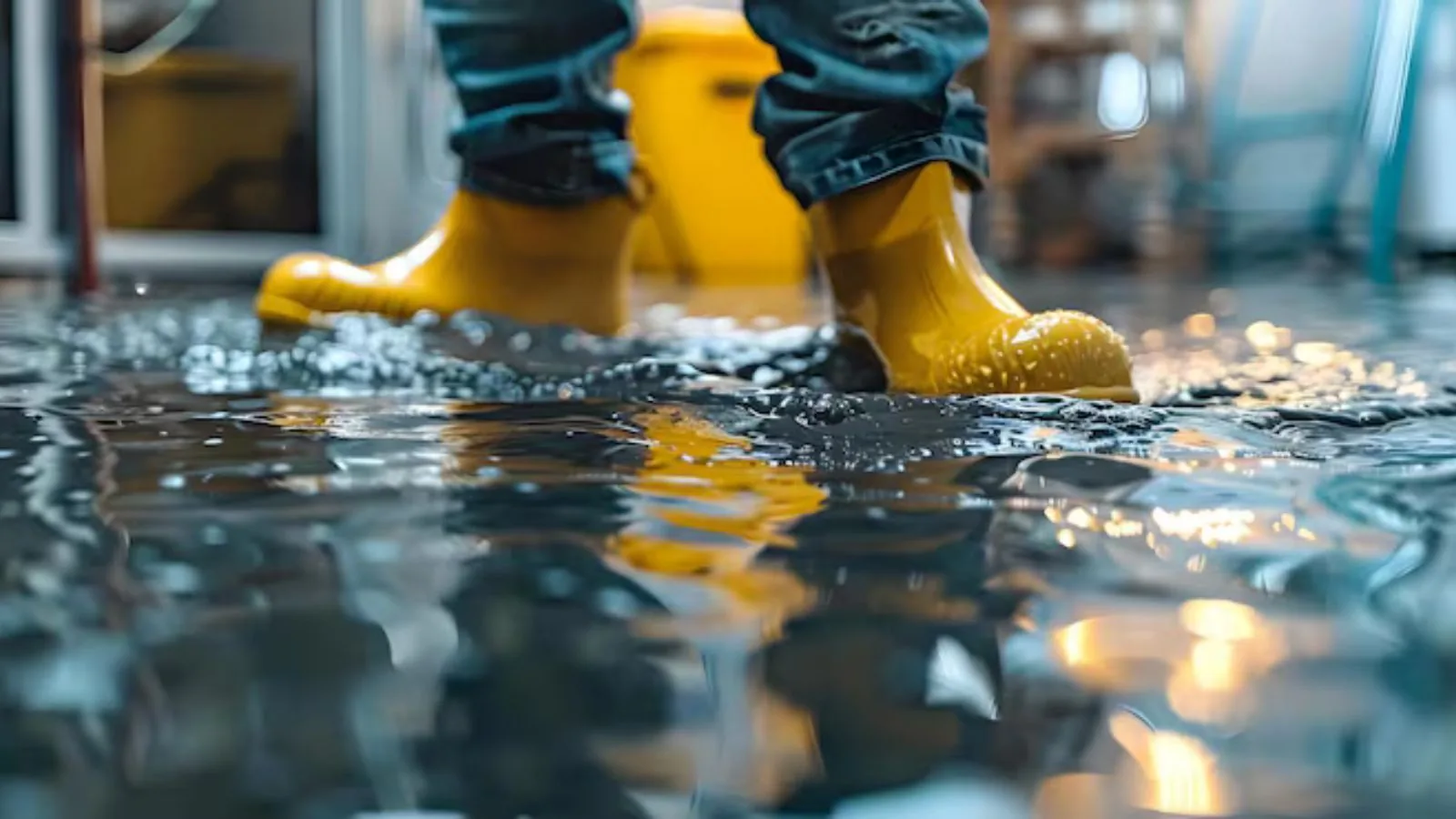
Start with the kind of water
Clean water from a supply line is the easiest case. Gray water from a washer or dishwasher carries some contamination. Black water from sewage, a toilet or flood water from outside is heavily contaminated. The same sofa can be saved in the first case and must go in the third.
If you are not sure of the source, treat the water as contaminated until a professional says otherwise. Photos and a note of where the water came from make that decision easier.
A quick sorting guide by material
These are general rules and a crew can judge a particular item.
| Material | Clean water | Contaminated water |
|---|---|---|
| Hard plastics, glass, metal, glazed ceramics | Wash and dry | Wash and disinfect |
| Solid wood furniture | Dry slowly, often saved | Clean surfaces if sound, discard if soaked through |
| Particleboard furniture | Often swells and cannot be saved | Discard |
| Upholstered furniture and mattresses | Dry fast, may be saved if caught early | Discard |
| Carpet and pad | Carpet may be saved, pad usually goes | Discard both |
| Books, paper and cardboard | Dry fast or freeze, then judge | Discard unless irreplaceable |
| Food, medicine and cosmetics | Discard what touched the water | Discard |
Why porous things are the problem
Porous materials soak up water and hold what is in it. Bacteria and mold grow inside them where cleaning cannot reach. A hard glazed dish can be washed and disinfected. A cushion cannot.
EPA guidance says to dry wet items within 24 to 48 hours to prevent mold. If something cannot be dried that fast, it is a candidate to discard, with the exceptions noted below for items you cannot replace.
Too much wet stuff to sort?
A crew can lift the contents out and dry the structure. Call the 24/7 line.
Items that should go right away
Do not take chances with these.
- Any food, drink or medicine that touched flood water or sewage.
- Mattresses, pillows and stuffed toys soaked by contaminated water.
- Cosmetics, baby items and bottle nipples that touched flood water.
- Carpet pad and insulation that sat in water for more than a day.
- Anything that has begun to smell musty or show mold.
Photograph each item before it goes. Your insurer may ask for the list.
What cleaning looks like
For hard goods, wash with hot water and detergent, rinse, then wipe with a disinfectant that is safe for the material. Let items air dry in a dry room. Wear gloves and, for contaminated water, boots and a mask.
Restoration companies also clean contents with ultrasonic baths, dry cleaning and controlled drying chambers. Ask your crew whether they do contents cleaning or work with a partner. It is often worth it for sentimental items and costly electronics.
Local notes for Windsor Mill
Many homes in Windsor Mill, Milford Mill and nearby streets store boxes, tools and seasonal items in basements, so a basement water event can touch a lot of belongings at once. Cardboard and particleboard shelving soak up water quickly. Move boxes onto metal or plastic shelves and keep irreplaceable things upstairs. The basement cleanup page explains how lower levels are dried.
Townhome owners in Rockdale often store seasonal items in utility closets beside the water heater, which is the first place to check after a leak.
Insurance and the contents list
Contents are often a separate part of a claim. Write down what each discarded item was, its approximate age and cost. Keep a few samples, such as a piece of carpet or a cushion, if the adjuster wants to see them. Ask before disposing of anything large.
Do not rush to throw out items that may be covered if the adjuster has not seen them. Take photos from several angles and record serial numbers on electronics. The sewage backup page explains why contaminated goods are treated more strictly.
Sentimental items and what can be done
Photos, letters and heirlooms deserve a different approach. Rinse mud off carefully with clean water, lay items flat on clean paper and keep them cool. If they cannot be dried within a couple of days, freezing buys time until a conservator or a document drying service can help.
If an item is both contaminated and irreplaceable, wear protective gear while you handle it and ask a professional about contents cleaning. Never use a hot oven, a hair dryer or direct sun on old photos or papers.
A simple routine for the first weekend
Set up three zones in a dry room or garage: keep and dry, clean and disinfect, and discard. Label tubs or tape off areas on the floor. Work from the least damaged items to the most damaged, and wash your hands often.
Take a break when you tire. Sorting wet belongings is heavy work and emotionally hard, and a rushed choice leads to regret. If the pile is too large, a crew can pack out the contents and store or clean them while the structure dries.
Questions About This Topic
Can a wet couch be saved?
If the water was clean and the couch was dried within a day or two, sometimes. If the water was contaminated, discard it.
Can I keep a mattress that got wet?
A mattress that touched clean water for a short time may dry in a well-ventilated room. One soaked by contaminated water should be discarded.
What about wet books and photos?
Rinse off mud with clean water, lay them flat and keep them cool. Freezing can hold them until you can dry them properly.
Do I need to keep damaged items for the adjuster?
Ask your insurer. Photograph everything, and keep samples they request.
Is food in a closed can safe after a flood?
Cans that touched flood water should be washed and sanitized, and any with damage to the seal should be discarded. When in doubt, throw it out.